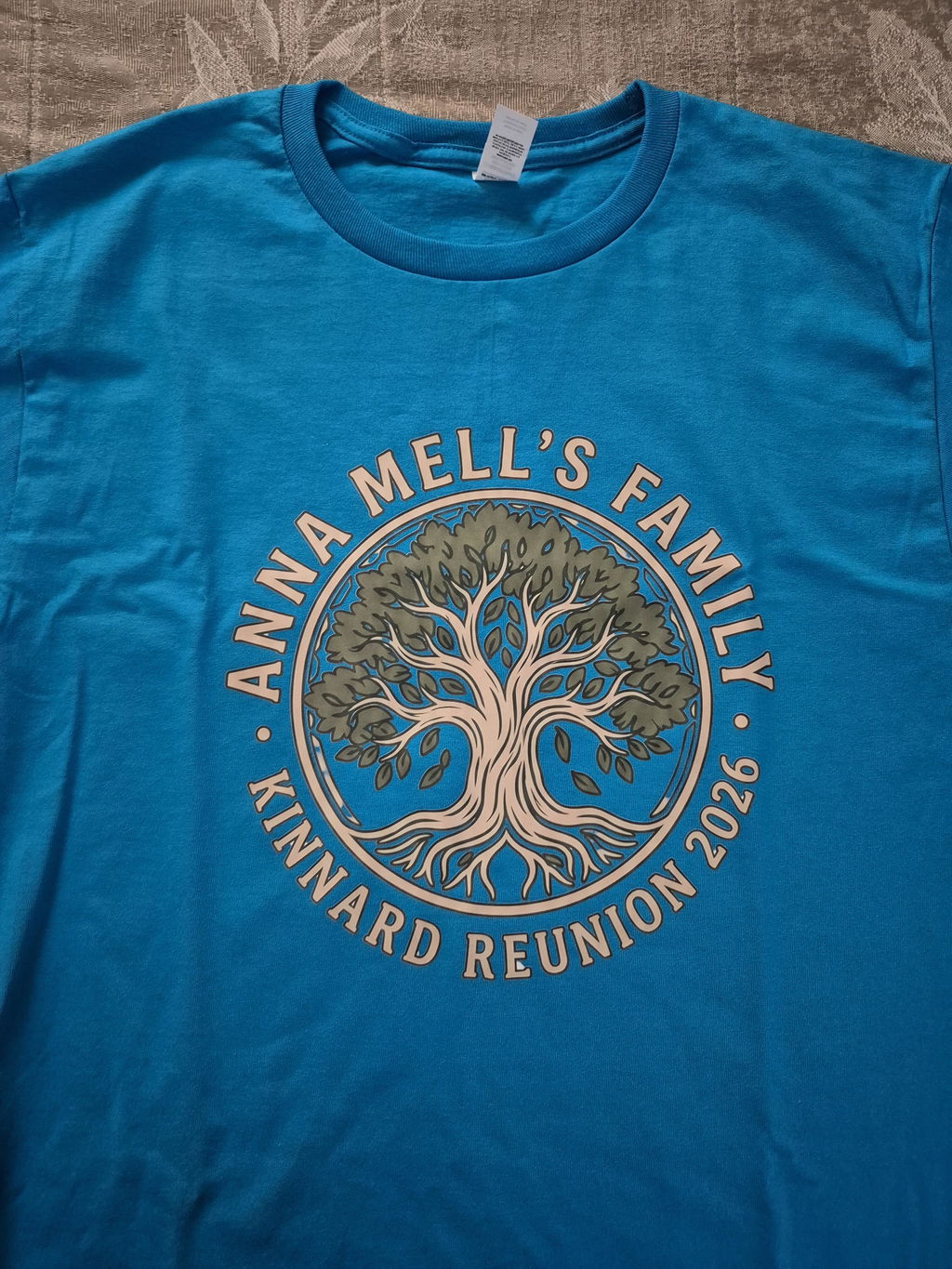
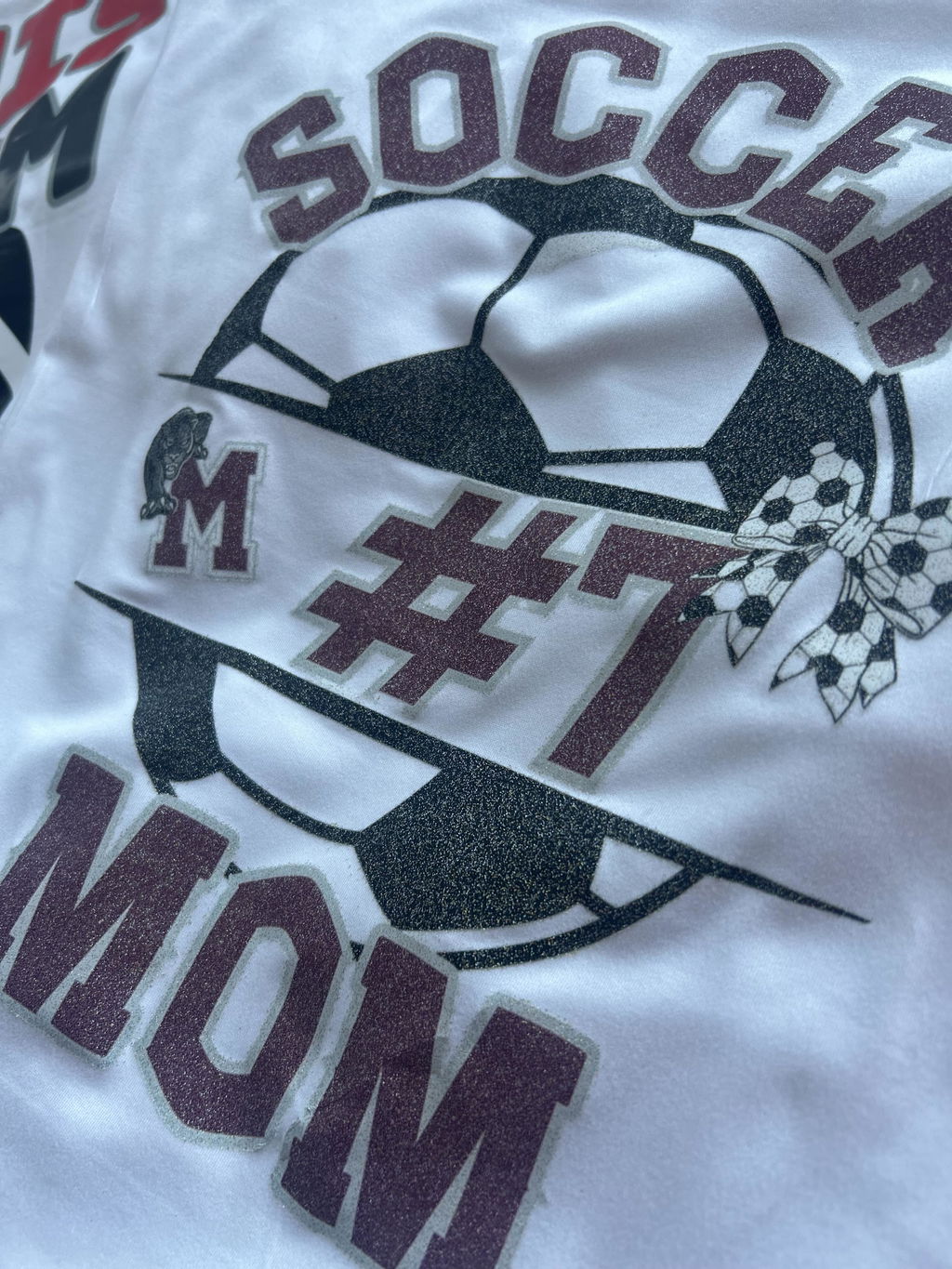
VIBRANT COLORS
•ORDER TODAY. PRINT TODAY. SHIP TODAY
•PREMIUM DTF TRANSFERS
•NO MINIMUMS
•FREE SHIPPING OVER $100
•DTF Gang Sheet · DTF Gang Sheets · DTF Printing Nashville · dtf tenessee · dtf transfers · hendersonville · tenesse

For Hendersonville apparel decorators, screen printers, embroidery shops, merchandise brands, and print businesses, DTF transfers can function as an outsourced production input: the shop keeps garment application and customer control in-house while ordering the printed transfers needed for each job. The key is matching artwork, quantity, and transfer format to the work already moving through the shop.
If your business already decorates apparel or has a heat-press workflow, start by reviewing the available DTF transfer options. The goal is not to replace every process you already use. It is to decide where DTF can add another practical production route for customer jobs that do not fit neatly into your normal workflow.
That question has real local relevance in Hendersonville. The U.S. Census Bureau estimates the city’s July 1, 2025 population at 64,266, about 4.0% above its 2020 estimates base. The Hendersonville Area Chamber of Commerce says it represents more than 900 member businesses and 8,730 member employees, while federal labor data counted 5,345 covered establishments and 63,801 covered jobs across Sumner County in the fourth quarter of 2025.
For an apparel or print business, those numbers matter less as statistics than as evidence of a broad local customer base. Restaurants need staff apparel. Contractors and service companies need branded workwear. Schools, teams, organizations, retailers, healthcare businesses, events, and growing companies create different order sizes, artwork combinations, deadlines, and reorder patterns. A decorator serving those customers benefits from having more than one way to turn approved artwork into finished garments.
The B2B opportunity in Hendersonville is not theoretical. The Hendersonville Chamber’s current business directory includes multiple local printer listings, including businesses offering screen printing and embroidery services. That means the local market includes companies that already understand artwork, customer deadlines, garment decoration, production quantities, and repeat business.
For those businesses, the useful DTF question is not simply, “What is DTF printing?” A better question is:
Where can DTF transfers remove a production constraint without forcing the shop to rebuild the rest of its operation?
A screen printer may have an efficient process for a stable, higher-volume job but receive a customer request for a short add-on run with complex artwork. An embroidery shop may have a customer that also wants graphic T-shirts for an event. A promotional-products business may sell branded apparel without wanting every decoration process under one roof. A clothing or merchandise brand may need a small replenishment run after one size or design moves faster than expected.
Those are production questions, not simply product questions. The value of an outsourced transfer begins when the transfer format fits the job the business has already sold.
DTF does not need to replace screen printing to be useful to a screen-printing business. A shop can evaluate DTF for work that sits outside the jobs its existing process handles most efficiently.
That may include a small follow-up order after the main run is finished, artwork with many colors, several customer graphics moving through the shop at once, samples, replacement garments, or an order that combines multiple design sizes in limited quantities.
The decision should be made job by job. If a screen-printed run already fits the shop’s process, there is no reason to change it simply because another decoration option exists. DTF becomes more interesting when the incoming job would otherwise interrupt an efficient production schedule or require disproportionate setup for a limited number of garments.
Embroidery shops often serve customers whose branding needs extend beyond embroidered polos, jackets, hats, or workwear. The same customer may also need event shirts, graphic tees, promotional garments, or a larger printed design that belongs in a different decoration workflow.
DTF transfers give an embroidery business another way to serve that broader apparel request while keeping the customer relationship in one place. The important step is to separate which garments belong in the embroidery workflow and which graphics belong in the transfer workflow before quantities are finalized.
That is especially useful when one organization uses the same logo across several garment types but needs different decoration methods depending on placement, artwork style, and intended use.
An apparel decorator that already presses garments can use outsourced transfers as a production input instead of making every transfer internally. That can help separate two parts of the operation: producing the transfer and applying it to the garment.
The decorator still controls garment sourcing, customer approval, placement, pressing, quality checks, packaging, and delivery. The transfer order becomes one component within that larger production system.
This model can be useful when a business handles many customer designs and needs a clear way to move approved artwork into production without turning every new order into a separate printing setup.
Small clothing and merchandise brands rarely move every design, color, or size at exactly the same rate. One graphic may sell through quickly while another remains in stock. An event may create a temporary spike. A customer may request a previously approved design in a new quantity.
For these businesses, DTF planning should start with what needs to be replenished now rather than assuming the entire original run must be reproduced. Keeping artwork versions, finished transfer dimensions, garment placements, and prior quantities organized can make smaller follow-up production easier to define.
A print or promotional-products company may sell apparel as one part of a larger customer relationship. The company may already manage business cards, signage, promotional products, branded materials, or event items and then receive a request for decorated garments.
In that situation, DTF transfers can provide another production path without requiring every customer order to use the same decoration method. The business can define the artwork and quantity, choose an appropriate transfer format, receive the transfers, and integrate garment pressing into its existing workflow when that model fits its capabilities.
A production shop does not need one decoration method for every customer. In fact, forcing every job through the same process can create unnecessary complexity.
A more useful approach is to identify the production constraint first. Consider DTF when the problem involves situations such as:
This does not mean DTF is automatically faster, cheaper, or better for every job. Those conclusions depend on the actual production situation. The useful B2B decision is whether outsourcing the transfer portion gives the shop a cleaner path from approved artwork to garments ready for customer delivery.
Hendersonville’s local economy helps explain why a B2B decorator may need flexible production rather than one standard order pattern.
U.S. Census Bureau data reports approximately $1.37 billion in Hendersonville retail sales for 2022. Accommodation and food services sales were approximately $225.9 million, while healthcare and social-assistance receipts or revenue were approximately $566.4 million.
Those figures do not measure DTF demand. They show the scale of customer-facing business activity that local printers and apparel decorators can serve.
A restaurant may need staff shirts and replacement garments as teams change. A retailer may need branded apparel for employees, promotions, or an event. A healthcare or service business may need consistent logo garments across roles or locations. A local brand may run merchandise in smaller batches. A contractor may add new workers after the original apparel order has already been completed.
The education and athletics market adds another layer. Sumner County Schools currently operates 53 schools, and its athletics program serves multiple high schools, including Hendersonville High School. For a local decorator, school and team work can involve logos, event apparel, club garments, staff pieces, booster merchandise, and changing roster quantities.
The B2B lesson is simple: the customer base can generate very different production patterns. A shop that can move between defined-size transfers, multi-design gang sheets, and repeat jobs has more ways to match the production method to the order instead of forcing the order to match one production method.
Repeat business becomes easier when the original job leaves behind a usable production record.
For apparel shops, that record does not need to be complicated. Save the information that lets another employee understand what the approved job actually was:
That information is valuable when the customer returns because it separates what can be reused from what needs a new decision.
The logo may still be correct while the quantity changes. The quantity may stay the same while the garment changes. The artwork may stay the same while the business adds a second placement. Keeping those details separate prevents a repeat customer from becoming a brand-new setup every time.
The purpose here is not to build a full inventory or reorder-management system. It is to give a B2B decorator enough continuity to move an approved job back into production with fewer unknowns.
DTF Nash operates from Nashville at 405 Harding Industrial Dr, Nashville, TN 37211. Its published service model includes 24/7 local pickup at that Nashville location, and qualifying orders may be eligible for same-day production or shipping.
For a Hendersonville business, the useful distinction is that production timing and pickup access are not the same thing. A 24/7 pickup location does not mean every new order becomes immediately available, and the published pickup point is in Nashville rather than Hendersonville.
Build fulfillment into the job after artwork, dimensions, quantities, and order format are settled. If the production schedule depends on a specific turnaround, confirm that the order qualifies before promising that timing to your own customer.
That approach keeps the apparel shop in control of its customer commitment. The transfer supplier’s fulfillment option becomes one line in the production schedule rather than a substitute for production planning.
Before an apparel or print business submits a DTF transfer order, the production team should be able to answer a few practical questions:
These decisions are especially important for B2B work because the transfer order sits inside a larger commitment to the end customer. A shop still has garments to receive, transfers to organize, pressing to complete, quality checks to perform, and a delivery date to meet.
Outsourced DTF transfer production is worth evaluating when your business already controls the apparel job but does not need to produce every transfer internally.
It may be a practical fit when your shop:
The right approach still depends on the job. A mature apparel business does not choose a production method because it is new; it chooses the method that keeps the customer order organized and the shop floor workable.
Yes. DTF can be evaluated as a complementary production route for selected jobs. A screen-printing shop might consider it for short add-on runs, mixed-design work, samples, complex artwork, or other orders that do not fit the shop’s preferred screen-printing setup. The decision should depend on the specific job rather than treating one process as a universal replacement for the other.
An embroidery business can evaluate DTF when customers also need graphic tees, event apparel, promotional garments, or other printed pieces. Keeping the embroidery and transfer workflows separate allows the business to choose the decoration method that fits each garment and design.
DTF Nash’s published local pickup location is at 405 Harding Industrial Dr in Nashville. Hendersonville businesses should plan around shipping or Nashville pickup rather than assuming there is a separate Hendersonville pickup point.
Transfers by size are useful when each graphic already has a defined dimension and quantity. A gang sheet becomes more relevant when several approved designs, sizes, or repeating graphics need to move through the same production cycle. Choose the format based on how the shop will organize and use the transfers after they arrive.
No assumption about special pricing or wholesale terms should be made from a general guide. A business can use DTF Nash’s available transfer-ordering routes for its production needs, but current pricing and purchasing terms should be evaluated from the live ordering information when the order is placed.
Hendersonville gives apparel and print businesses a diverse customer environment: a growing population, hundreds of Chamber-connected businesses, a large Sumner County workforce, customer-facing retail and service sectors, schools, athletics, local organizations, and companies that already buy branded materials.
The opportunity for a decorator is not to turn every one of those customers into the same kind of DTF order. It is to build a production workflow that can handle different quantities, artwork combinations, and repeat needs without making every project start from zero.
Use transfers by size when the job is clearly defined. Upload a gang sheet when your production layout is already complete. Use the builder when approved graphics still need to be organized. Keep reliable production records for repeat customers, and treat DTF as additional capacity when it solves a real production constraint.
For broader statewide ordering considerations, the Tennessee DTF transfer guide provides additional context. When you are ready to evaluate the actual transfer routes for your Hendersonville production workflow, you can review DTF Nash and choose the option that matches the job your shop needs to complete.