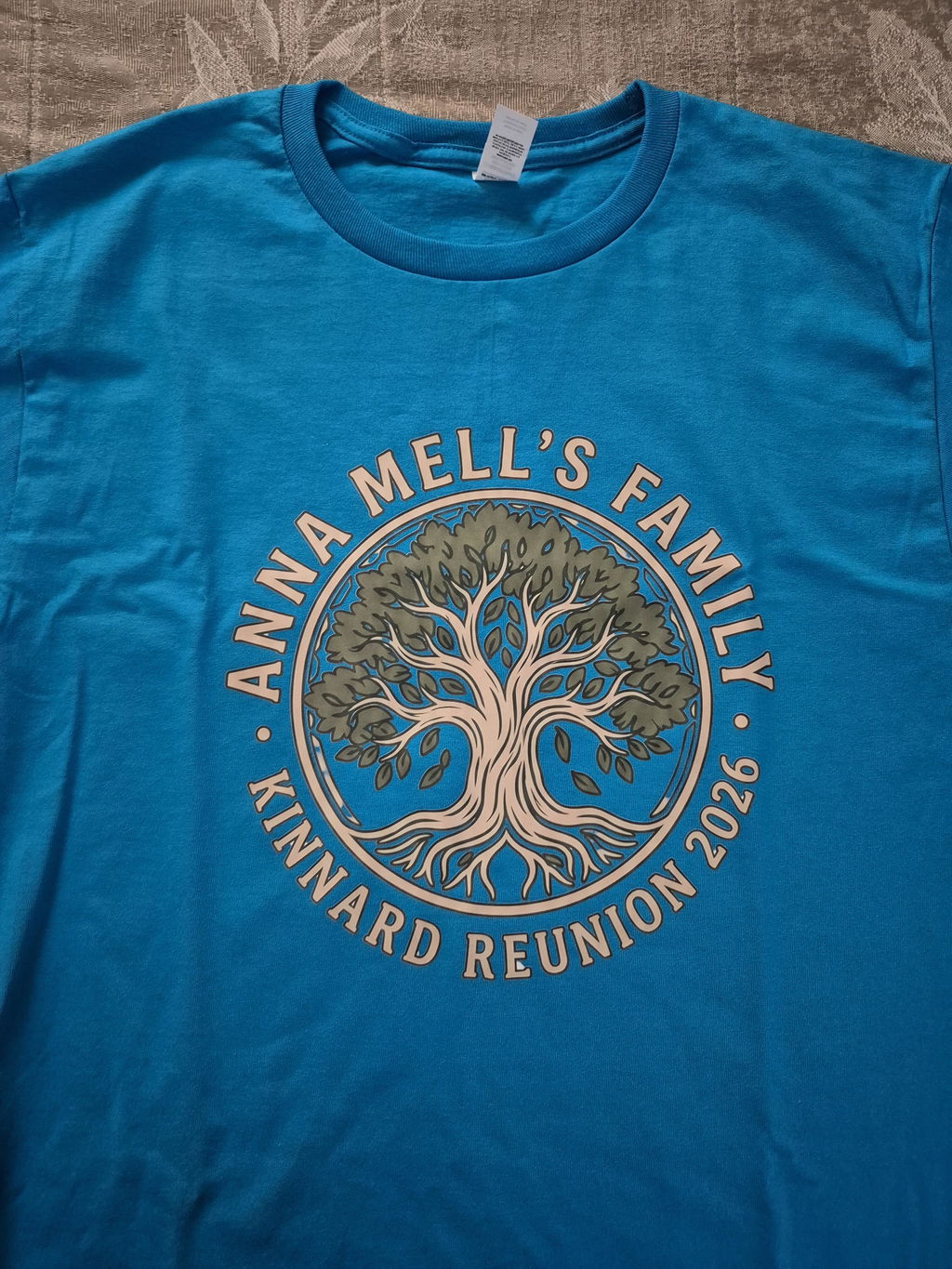
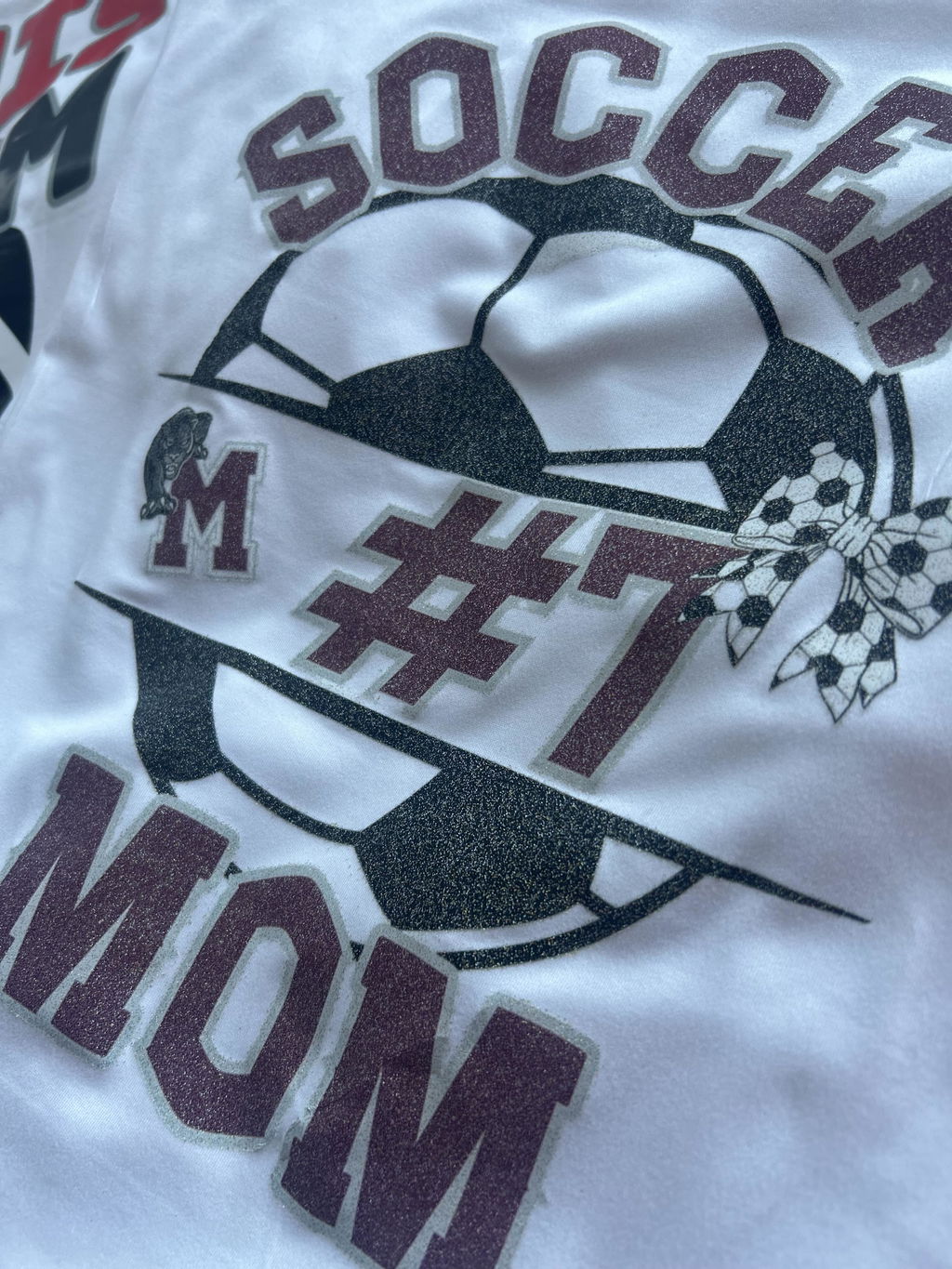
VIBRANT COLORS
•ORDER TODAY. PRINT TODAY. SHIP TODAY
•PREMIUM DTF TRANSFERS
•NO MINIMUMS
•FREE SHIPPING OVER $100
•Bulk DTF Orders · dtf transfers · Wholesale DTF Transfers

For an apparel brand or print business in Nashville, ordering wholesale DTF transfers is about more than buying a larger quantity at once. When the same logos, graphics, or customer jobs come back into production, the bigger challenge is building an ordering process that can work again without starting from scratch every time.
Which artwork will you need again? Are the transfer sizes already established? When should you recognize that it is time to reorder? What information needs to be ready if a deadline suddenly gets tighter? And once the transfers are produced, does shipping or local pickup fit the next stage of production better?
Answering those questions ahead of time can turn repeat DTF ordering into a more organized production workflow.
DTF Nash operates in Nashville, Tennessee, with 24/7 Local Pickup. Qualifying orders may also be eligible for same-day production or shipping. For apparel brands and print businesses working around production dates, customer deadlines, launches, and recurring jobs, those fulfillment options can become part of how repeat orders are planned.
This guide focuses on the decisions that matter when bulk DTF demand becomes repeat production: keeping reusable order information organized, preparing for rush situations, choosing an order format, and planning how finished transfers move into the next stage of your workflow.
A large one-time DTF order and a recurring DTF order can look similar at checkout, but they do not create the same operational needs.
An event, apparel drop, team order, or large customer job might require a substantial number of transfers at once. That makes it a bulk order, but it does not necessarily mean those exact transfers will be needed again.
Repeat production is different. The goal is not only to complete the current order. It is also to make the next order easier to prepare.
A brand may use the same chest logo across multiple production runs. A print business may have customer artwork that returns regularly. A core graphic may stay the same while quantities change from one run to another.
In those situations, artwork, dimensions, order format, and fulfillment decisions can become reusable production information instead of questions that have to be answered from the beginning every time.
The goal is not to make every order identical. Quantities can change, new designs can be introduced, and production schedules can shift. The useful part is identifying what stays consistent so the next reorder begins with fewer unresolved decisions.
A repeat-order system requires more than remembering what you purchased last time. It helps to identify which parts of the job are likely to return and which parts may change.
Start by separating recurring artwork from one-time designs.
An apparel brand might use its primary logo throughout the year while a seasonal graphic appears in only one collection. A print business may produce one customer's logo regularly while another customer's artwork is tied to a single event.
For designs that are likely to return, keep the basic production information clear:
When these details are already established, the next reorder does not have to reopen decisions that have already been made.
Some repeat jobs are easy to manage as transfers by size. If the same logo is repeatedly needed at a defined dimension, ordering individual transfers can create a straightforward reorder pattern.
Other production runs involve several logos, names, graphics, or sizes at the same time. In that situation, a gang sheet may be worth considering.
The useful question is not simply whether an order is large enough to be considered wholesale. Ask:
Which transfer format makes this recurring production job easier to organize and repeat?
If a transfer is used regularly, waiting until the last one is gone can turn an ordinary reorder into a deadline-sensitive problem.
Instead of asking only when the next order should be placed, decide how you will recognize that another order is approaching.
The right reorder point depends on your usage rate, current demand, and production schedule. A business with frequent recurring jobs may need to review transfer needs differently from a brand producing occasional apparel drops.
What matters is having visibility before the lack of transfers interrupts production.

A bulk DTF order and a repeat wholesale workflow solve different problems.
A bulk order can simply mean that one project requires a large quantity of transfers. A repeat order means that the same or similar transfer needs return over time.
For a one-time bulk job, the immediate questions may be:
Repeat production adds another layer:
A large DTF order for one event does not have to be managed the same way as transfers used continuously across an apparel line or recurring customer work.
Separating those two situations helps determine which information belongs only to the current job and which information should stay available for future orders.
Speed matters in repeat production, but speed alone is not a production plan.
The more useful question is when the transfers need to enter the next stage of your operation.
If an apparel launch, customer delivery date, or busy production day is approaching, artwork, dimensions, quantity, order format, and fulfillment should be settled as early as possible.
Qualifying DTF Nash orders may be eligible for same-day production or shipping. That makes same-day service relevant to deadline-sensitive work, but it should not be treated as an automatic promise for every bulk or wholesale order.
A stronger repeat workflow is designed so that every reorder does not have to become a rush order. When a genuinely urgent need does arise, the core information should already be ready.
Before placing a recurring order, confirm the parts of the job that may have changed since the previous run:
This keeps a reorder from becoming an entirely new production project simply because one detail changed.
A tight deadline is a difficult time to still be deciding which artwork is correct, whether dimensions have changed, or how the transfers should be ordered.
For a rush situation, have the artwork, sizes, quantity, transfer format, required timing, and fulfillment preference ready before you begin the order.
Having those details prepared does not determine whether an order qualifies for same-day service, but it removes avoidable uncertainty from the ordering process.
For Nashville businesses, DTF Nash's 24/7 Local Pickup option adds another way to plan fulfillment after an order is ready.
There is an important distinction between production timing and pickup availability.
When an order is ready and when a completed order can be picked up are two different questions.
24/7 Local Pickup does not mean an order is produced around the clock or becomes ready immediately after it is placed. The order first needs to complete the applicable production process and become available for pickup.
Once it is ready, local pickup can be useful for Nashville businesses that need to move the transfers directly into their own apparel production process.
A local print business or apparel brand may choose to collect a completed order rather than wait for a shipment when that option fits its schedule.
This becomes especially relevant when receiving the transfers is not the end of the job. The business may still need to press garments, complete customer orders, prepare inventory, or finish an apparel run.
In that situation, planning should extend beyond the question of when the transfers will be printed.
Ask instead:
When can these transfers actually enter the next step of our production process?
For a repeat buyer, using a consistent fulfillment method can make the handoff between transfer production and in-house apparel production easier to plan.
There is no single order format that is right for every repeat DTF job.
The decision depends on how the artwork is structured and how the transfers will be used during production.
If a business repeatedly needs one defined logo at a known size, transfers by size may provide a simple way to organize that recurring order.
If the same production run requires several graphics, logos, names, or transfer sizes, a gang sheet may be a better format to evaluate.
The basic decision can be framed this way:
Quantity alone should not make the decision. Artwork structure, dimensions, and the way your team organizes production all matter.
If your artwork is already arranged into a print-ready layout, you can use the DTF Gang Sheet upload option to submit multiple designs on one sheet.
If you need to arrange several designs before ordering, the DTF Gang Sheet Builder provides a separate workflow for building the layout online.
For an apparel brand, recurring DTF demand often develops around design continuity and production schedules.
A core logo might be used throughout the year. Another graphic may belong to a single collection or limited drop. Some designs may return in several production runs, while others disappear after one release.
That makes it useful to separate recurring artwork from temporary artwork rather than treating every design as part of the same reorder system.
An apparel brand should be able to answer questions such as:
Keeping those answers organized can reduce the amount of setup required each time a recurring design returns to production.
For Nashville apparel brands using local pickup, the pickup plan can also be considered alongside the production calendar rather than being decided only after the transfers are finished.
A print business can have a different repeat-order challenge.
An apparel brand may primarily manage its own catalog of designs. A print shop may handle artwork from multiple customers at the same time, each with different sizes, quantities, deadlines, and reorder patterns.
In that environment, repeatability does not always mean ordering the exact same design again. Sometimes the repeatable part is the process used to organize recurring work.
A shop might handle certain repeat customer designs as transfers by size while using gang sheets when a production run contains several graphics or dimensions. The goal is not to force every customer into the same format. It is to know which setup makes sense when a familiar type of job returns.
Useful information to keep organized can include:
This creates a clear distinction between a completely new customer job and a repeat job with established production information.
When a deadline is tight, unresolved order details can become just as important as production speed.
If the artwork is still changing, dimensions have not been confirmed, or the transfer format has not been selected, an urgent order begins with more variables than necessary.
Before placing a deadline-sensitive wholesale DTF order, answer these six questions:
Getting those decisions out of the way before the order becomes urgent can reduce last-minute changes and make it easier to determine the appropriate ordering path.
If same-day timing matters, confirm that the specific order qualifies rather than assuming every wholesale or bulk order follows the same production timeline.
A useful repeat-order process should do more than get today's transfers into production. It should leave the next order easier to prepare.
After a recurring job is established, identify which information is worth keeping available:
The next quantity may change. New artwork may be added. An apparel drop may require a different mix of designs. A print business may see customer demand change from one production cycle to another.
But when the information that does not change stays organized, each reorder starts with fewer unknowns.
For apparel brands and print businesses in Nashville, 24/7 Local Pickup and same-day production or shipping for qualifying orders can be incorporated into that planning when the timing and order are appropriate.
The most reliable repeat workflow starts with preparation rather than urgency. Keep artwork, sizes, quantities, transfer format, deadlines, and fulfillment decisions organized so the next wholesale DTF order is easier to move into production.
A bulk order can be a large quantity needed for one project. A repeat wholesale order involves the same or similar transfer needs returning over time. Repeat ordering makes reusable information such as artwork, dimensions, order format, and fulfillment planning more important.
No. DTF Nash offers 24/7 Local Pickup in Nashville, but pickup availability and production timing are separate. An order needs to be completed and ready before it can be picked up.
No. Same-day production or shipping applies to qualifying orders. Do not assume that every bulk or wholesale order will automatically be completed the same day.
No. Transfers by size can make sense for recurring designs with established dimensions. Gang sheets can be considered when multiple graphics or sizes need to be organized within the same production run. The right format depends on the structure of the job.
Keep the correct artwork, transfer dimensions, current quantity, order format, required timing, and pickup or shipping preference clear before placing the reorder. Keeping those details organized can make recurring production easier to manage.