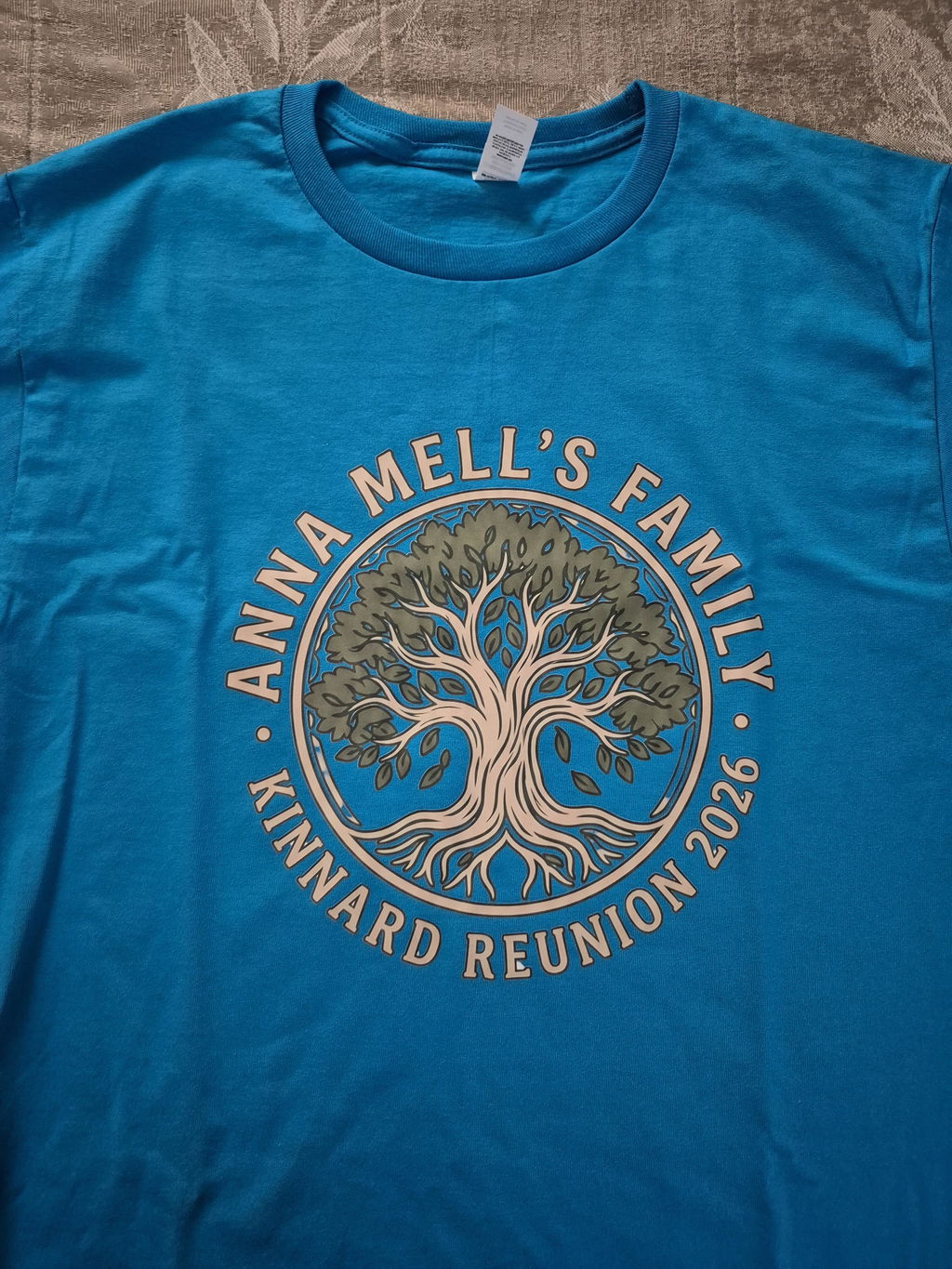
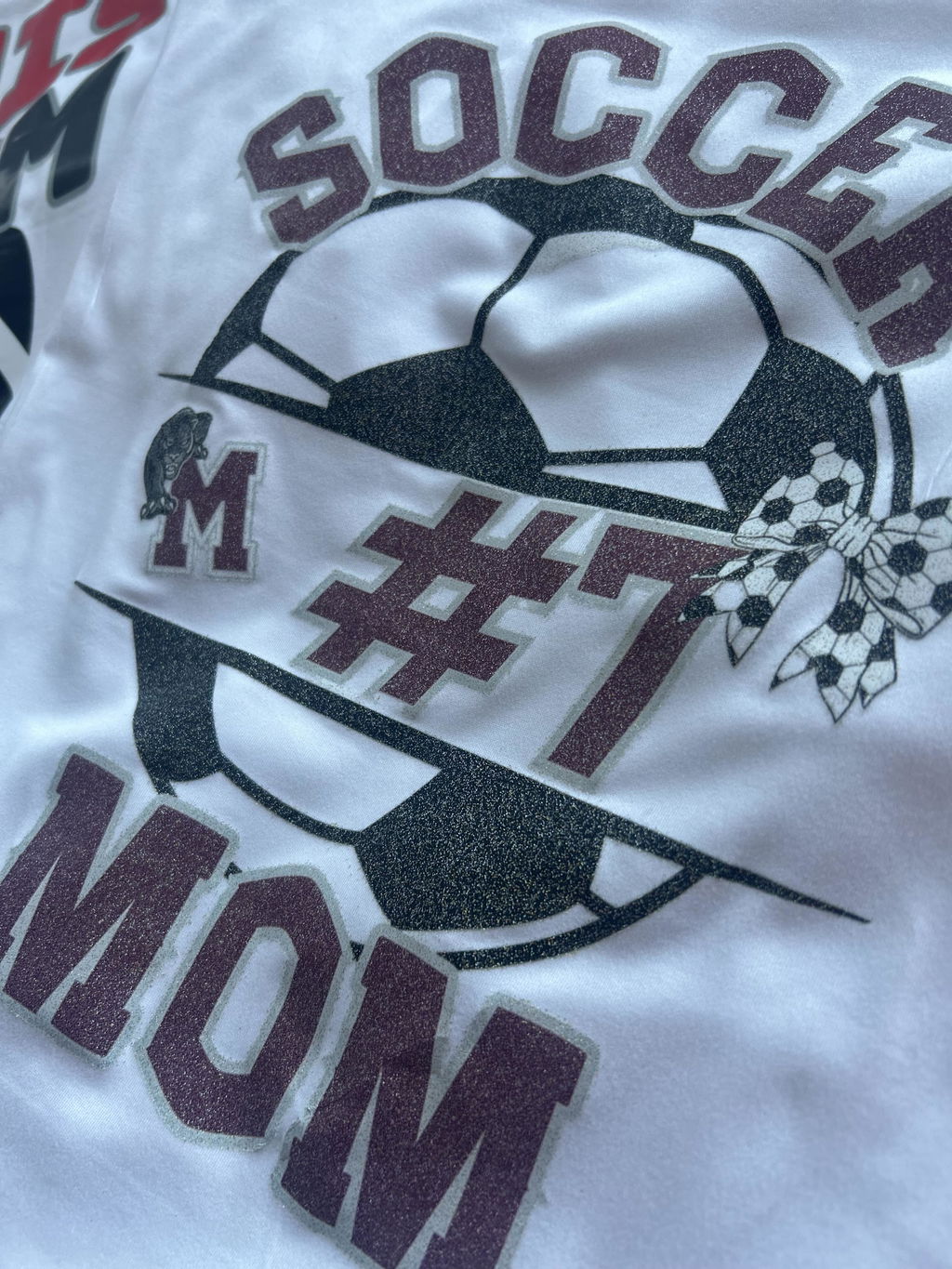
VIBRANT COLORS
•ORDER TODAY. PRINT TODAY. SHIP TODAY
•PREMIUM DTF TRANSFERS
•NO MINIMUMS
•FREE SHIPPING OVER $100
•24/7 Local Pickup · dtf transfers · Local DTF Pickup

Ordering DTF transfers locally can simplify part of your apparel production process, but local pickup works best when it is planned around the job itself. Before placing an order, it helps to know when you need the transfers in hand, whether pickup or shipping fits your schedule, and whether your artwork, quantities, and transfer format are already decided.
For print shops, apparel businesses, teams, schools, and other Nashville customers working toward a deadline, those decisions can matter just as much as the transfer itself. DTF Nash offers 24/7 local pickup at its Nashville location, giving local customers an alternative to relying only on a shipping schedule.
There is one important distinction to understand from the beginning: 24/7 local pickup does not mean 24/7 production. Pickup access and production readiness are two different parts of the order process. Your order must first be completed and ready for pickup.
If you want a broader overview of ordering locally, start with the Nashville DTF Transfers guide. This article focuses specifically on planning an order around local pickup.
A practical way to plan a local DTF order is to work backward from the moment you need the transfers in hand rather than starting with the moment you place the order.
If the transfers are for a customer deadline, event, team order, school project, apparel drop, or scheduled production day, first answer one question:
When do the transfers physically need to be available for pressing?
That date gives the rest of the order a clearer structure. It helps you decide when the artwork needs to be final, how many transfers you need, which order format makes sense, and whether local pickup or shipping is the better fulfillment option.
For example, if finished shirts must be delivered to a customer on Friday, Friday should not be the date you plan to collect the transfers. Your own pressing, sorting, quality checks, and garment preparation still need time. The transfer deadline should come earlier.
Planning backward gives local pickup a purpose. Instead of treating pickup as a convenience selected at the end of checkout, you can make it part of your production schedule from the beginning.

The main advantage of local pickup is that a ready order can be collected locally instead of depending only on a shipping timeline. For someone producing apparel in Nashville, that can make fulfillment easier to fit into an existing workday or production schedule.
A print shop preparing for the next production run, for example, may prefer to collect completed transfers locally rather than add shipping time to the plan. The same can apply to apparel businesses, schools, teams, or other local customers working toward a specific deadline.
But the key word is ready.
24/7 pickup describes access to a completed order. It does not mean a newly submitted order is automatically produced at any hour or immediately available for pickup.
That difference becomes especially important when a job is time-sensitive.
When planning a local order, separate these two stages:
They are related, but they are not interchangeable.
Seeing “24/7 local pickup” should not lead you to assume that an order placed at any time will immediately be ready. Production still has to happen first.
DTF Nash also offers same-day production or shipping for qualifying orders. That can matter when planning a short turnaround, but same-day service should not be treated as an automatic assumption for every order. For a firm deadline, keep production timing and pickup access as separate considerations.
Local pickup is not automatically the best choice for every Nashville order. The better option depends on where the transfers will be used and how the order fits into your schedule.
The goal is not to treat one fulfillment method as universally better. The useful question is simply which method gets the transfers into your hands at the right point in your production process.
Local pickup can remove shipping from part of the timeline, but it cannot solve an order that is still missing basic decisions.
Before submitting your order, make sure you know:
The earlier those decisions are made, the easier it is to create a realistic pickup plan instead of making last-minute changes close to the deadline.
If you are still choosing an order format, the guide to DTF gang sheets versus transfers by size explains how the two approaches differ.
Your pickup method does not determine your transfer format. That decision should be based on the artwork and the way you plan to organize the job after you receive the transfers.
If you already know the design and exact dimensions you need, custom DTF transfers by size can provide a straightforward way to order individual transfers.
This can work well when one main design is being repeated at known sizes and you want a simple order structure.
If the same production run includes multiple logos, artwork sizes, names, or other graphics, a DTF gang sheet may be worth considering.
The goal of a gang sheet is not simply to place as many graphics as possible on one sheet. The layout should also make sense for the way you plan to cut, organize, and use those transfers during production.
If a gang sheet fits your job, the next step is preparing the layout. The DTF gang sheet builder guide walks through that process in more detail.
When an order is tied to a specific deadline, backward planning is usually more useful than asking only how quickly the transfers can be produced.
Start with the finished-apparel deadline and work backward:
This changes the planning question from “How fast can I get my transfers?” to “When do I need the transfers so the rest of my job stays on schedule?”
That distinction is especially useful for events, customer orders, school projects, team apparel, and other jobs where the transfer itself is only one step in a larger production timeline.
For a print shop or apparel business, DTF transfers may be part of an ongoing production routine rather than a one-time purchase. The same customer logos, transfer sizes, or artwork combinations can return across multiple orders.
In that situation, local pickup can become part of a repeatable process.
It may help to keep track of:
The goal is to avoid rebuilding every repeat order from scratch. When the artwork and order structure are already organized, the fulfillment decision becomes easier to make.
Team and school projects are often tied to a specific event, season, fundraiser, activity, or delivery date. That makes the date the garments must be finished more important than simply knowing when an order enters production.
If a project includes several logos, sizes, names, or other graphics, finalize that information before the deadline gets close. The more moving parts an order has, the more valuable it becomes to settle the artwork and quantities early.
Pickup should then be planned around the point when those transfers need to enter your own apparel production process.
This helps keep local pickup in its proper role: it is a fulfillment option for a ready order, not a substitute for planning the rest of the job.
If you regularly order the same designs, repeat jobs can become easier when you keep a consistent record of what worked previously.
For each repeat job, consider recording:
A consistent system can reduce the number of decisions required every time the same job comes back.
For a Nashville apparel business or print shop, that is where local pickup can become more than a one-time convenience. It can become one predictable part of an established production routine.
Distance is only one part of choosing a local DTF option. A nearby provider is most useful when the available transfer formats and fulfillment options also match the way you work.
Before ordering, consider three questions together:
Thinking about all three gives you a more useful plan than choosing an option based on proximity alone.
You can review DTF Nash's available DTF transfer options while deciding which format fits the artwork and your pickup plan.
Before submitting the order, confirm the basics:
If those decisions are already made, your order is being planned around the actual apparel job rather than around pickup alone.
Yes. DTF Nash offers 24/7 local pickup at its Nashville location. The order still needs to complete production and be ready for pickup first.
No. Pickup availability and production availability are different. A 24/7 pickup option does not mean every new order is produced immediately or at any hour of the day.
Choose based on your schedule and where the transfers will be used. If collecting a ready order in Nashville fits your production schedule, local pickup may be a practical option. If pickup does not fit your schedule or the transfers are being used elsewhere, shipping may make more sense.
Begin with the date you need the transfers in hand. Then allow time for your own pressing and apparel production and work backward from that point. Do not treat pickup availability as the same thing as production time.
No. Qualifying orders may be eligible for same-day production or shipping, while 24/7 local pickup refers to collecting an order that is already ready. They describe different parts of the order process.
Yes. If you regularly reorder the same artwork, transfer sizes, or gang sheet layouts, local pickup can be planned as part of a repeat production routine when it fits your schedule.
The most useful starting point for a local DTF order is not simply where you will collect it. Start with when the transfers need to enter your apparel production process.
DTF Nash's 24/7 local pickup gives Nashville customers a flexible way to collect ready orders, but that flexibility works best when artwork, quantities, transfer format, production timing, and fulfillment are planned together.
Set the deadline first. Decide when the transfers need to be in your hands. Finalize the artwork and order format before the job becomes urgent. Then choose pickup or shipping based on the way the order fits your schedule.
When you are ready to order, review the available DTF transfer options and choose the format that fits your artwork, deadline, and fulfillment plan.